The journal
How to tell whether a barbell is 35 or 45 lb
Identify a 35 or 45 lb barbell from its markings and model, use dimensions as clues, and avoid confusing 15 or 20 kg with exact pound weights.
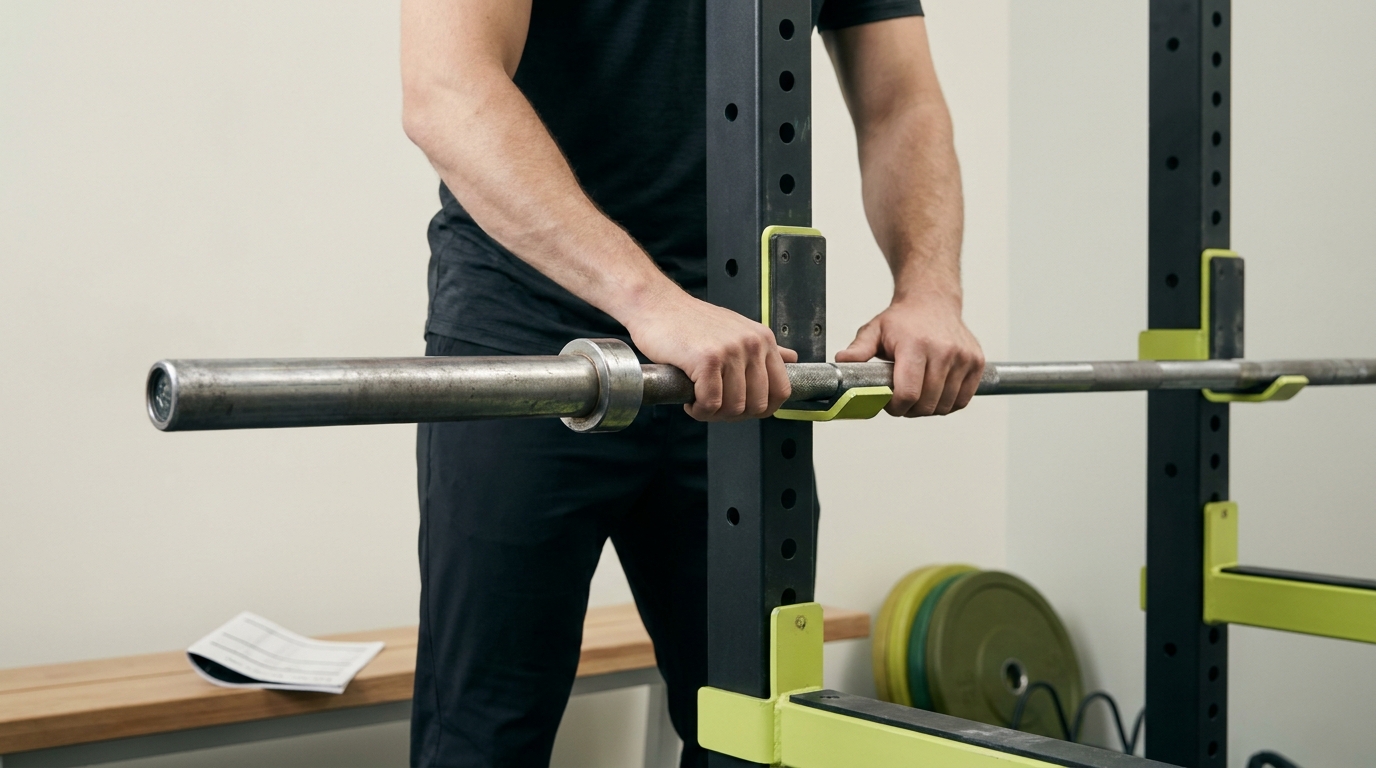
Check the end-cap marking or the manufacturer’s model specification first. Shape and diameter provide clues, but they cannot prove that a bar weighs exactly 35 or 45 lb. If there is no reliable marking, ask the gym to identify or weigh it using suitable equipment before you calculate your training load.
Do not confuse pounds with kilograms
A 15 kg bar is approximately 33.1 lb; a 20 kg bar is approximately 44.1 lb. Neither is exactly 35 or 45 lb. Gyms sometimes use rounded shorthand, while manufacturers also sell bars rated in pounds. Record the unit on the actual bar rather than silently replacing one mass with another.
The REP Fitness barbell size guide explains how shaft diameter, overall length and sleeve dimensions differ between bar types. Those dimensions help narrow down a model; the specification establishes its nominal mass.
A useful identification order
- Read both end caps for a mass, unit, maker or model. A colour ring alone is not a universal weight code.
- Look for the same model on the maker’s specification sheet, or ask gym staff to check their equipment inventory.
- Measure the overall length and the diameter of the grip shaft. Compare both with the model’s specifications.
- If identification is still uncertain, arrange a safe weighing with equipment rated for the load. Do not balance a long bar on a small household scale or handle it awkwardly just to get a number.
What the dimensions can tell you
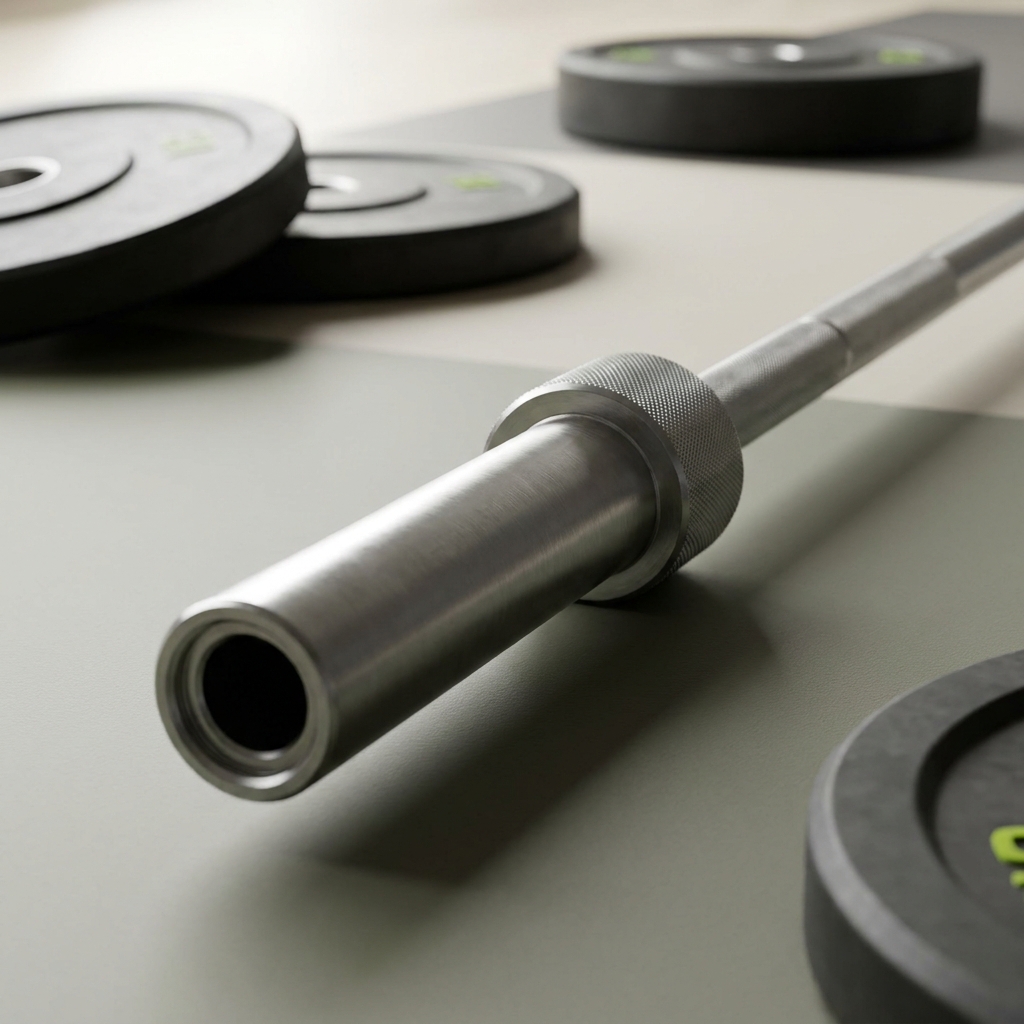
Common Olympic-style 15 kg bars have a thinner, shorter shaft than common 20 kg bars. A 25 mm shaft is associated with many 15 kg weightlifting bars; 28, 28.5 and 29 mm shafts appear on different weightlifting, general-purpose and power bars. Speciality bars and training bars can depart from these patterns. Check the exact product before assigning a mass.
Measure the part you grip, not the larger sleeves that hold the plates. Olympic plate sleeves are broadly shared across different bar masses, so sleeve size alone will not distinguish 35 from 45 lb.
Measuring without a caliper
Wrap a thin, non-stretch paper strip once around a smooth part of the shaft, mark the overlap and measure the circumference. Divide by pi, approximately 3.1416, to estimate diameter. A circumference of 88 mm gives about 28.0 mm. This is an approximate measurement, particularly around knurling; it is not a scale reading.
Work out the loaded weight accurately
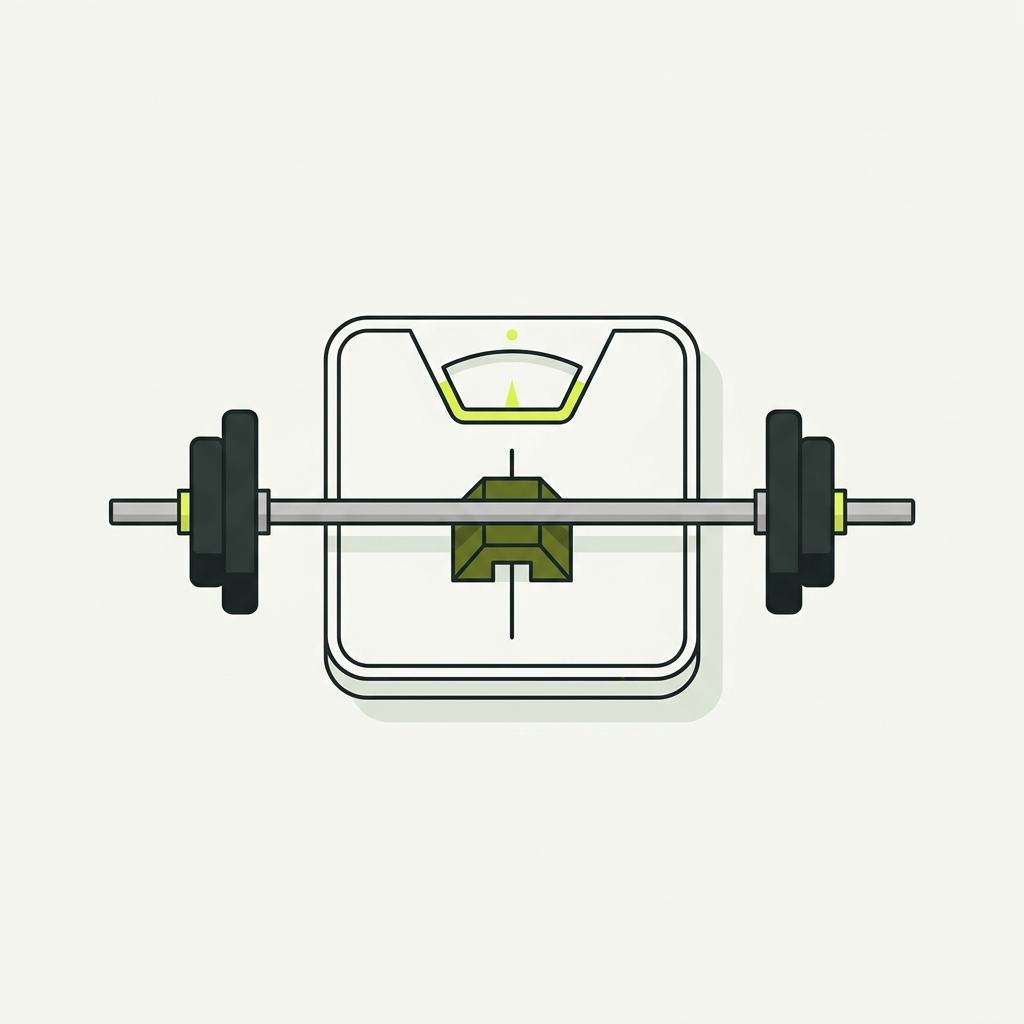
Suppose the end cap says 20 kg. Log that bar as 20 kg, or approximately 44.1 lb if your record uses pounds, then add the plates in the same unit. If the cap instead specifies 45 lb, use that nominal mass. For competition preparation or precise equipment checks, use the relevant equipment rules and a verified measurement rather than gym shorthand.
Plate markings are another part of that calculation. See our guide to nominal plate weights for the separate question of plate accuracy. If you are organising several bars and plates at home, our plate-rack guide covers storage considerations.
Identify the bar before logging a lift