The journal
What are the key differences between a speed rope and a jump rope?
Understand how speed ropes differ from general jump ropes and what that means for choosing the right length. Clear, source-backed guidance with a simple worked example and a quick checklist.
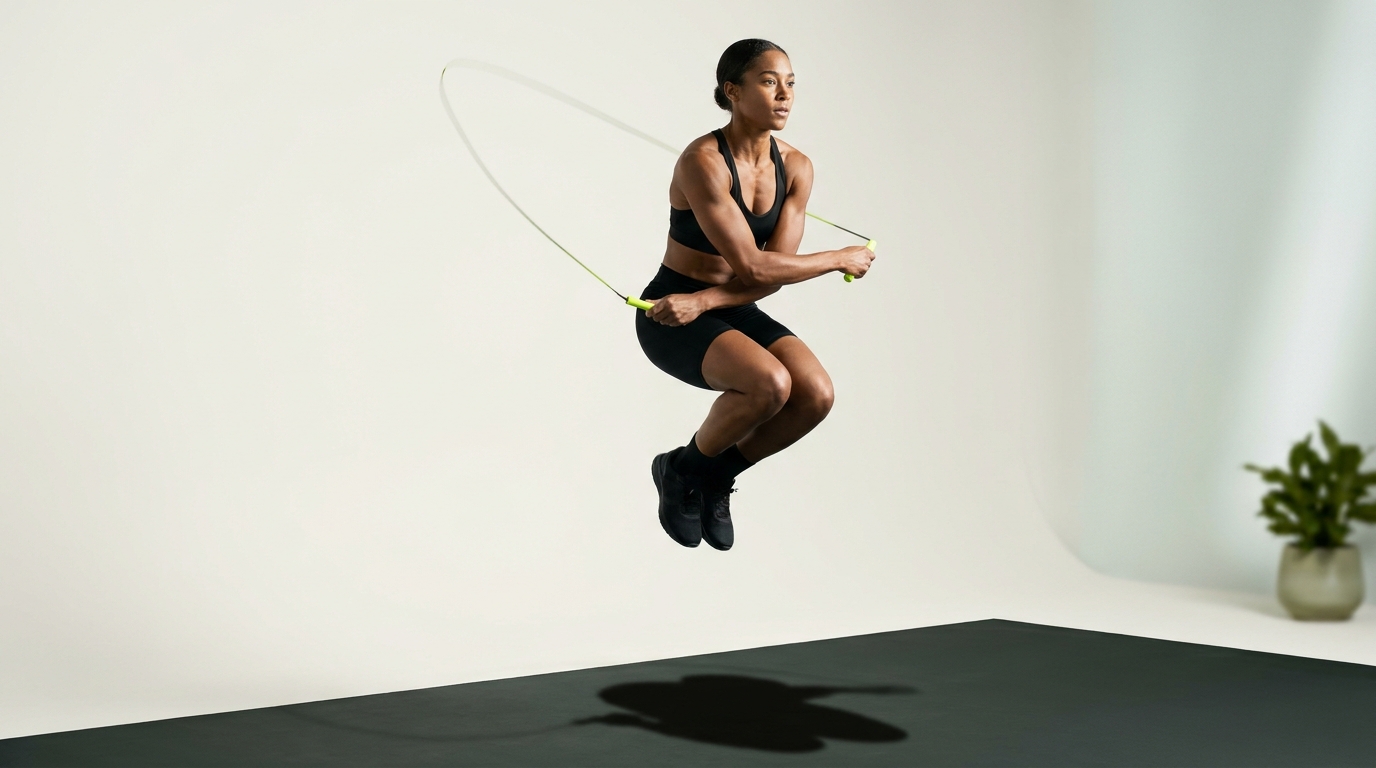
A speed rope is a type of jump rope designed for fast rotation. Many use a thin coated steel cable and low-friction bearings; other jump ropes include PVC, beaded and weighted designs with a different feel. The distinction is between designs and intended use, not two separate activities. These differences also change how you pick rope length: beginners typically start longer for clearance and control, while speed-focused jumpers often size shorter as technique improves (EQYP Pro Cable Speed Rope) (Nike jump rope sizing) (Crossrope guidance).
How speed ropes and general jump ropes differ
Cable or cord
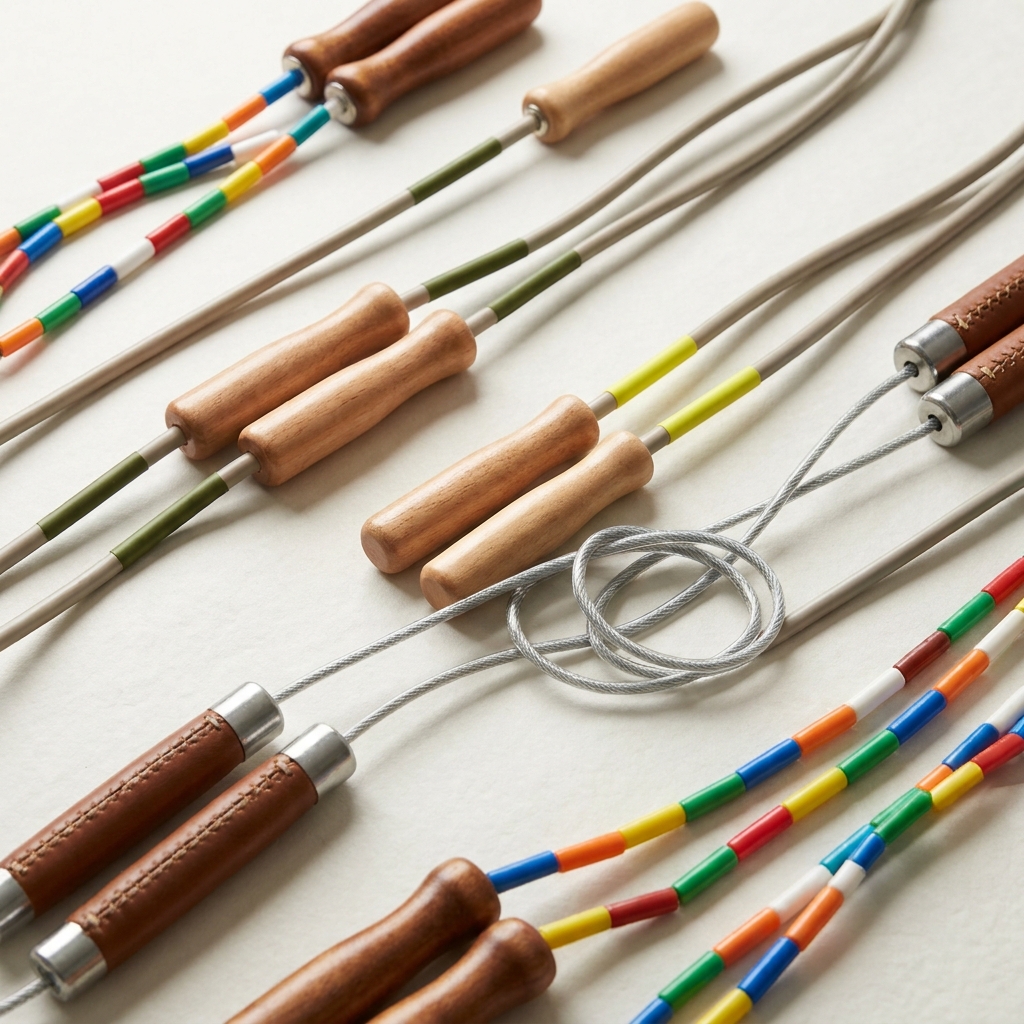
Speed ropes typically use a thin coated steel cable to reduce drag and speed up turnover (EQYP). General jump ropes vary: many use thicker PVC, some add handle weights, and others use different thicknesses to emphasize durability or feedback. If you want maximum speed, thinner cables help; if speed isn’t your goal, a thicker cable generally offers more durability (Nike).
Handles and rotation
Speed-rope handles often include ball bearings to keep rotations smooth and consistent at high cadence (EQYP). General-purpose ropes may use simpler mechanisms and are usually tuned for control across a broader range of skills rather than outright speed.
Surface use and durability
Some makers note coated steel can outperform basic plastic cords over time, but coatings still wear if repeatedly used on rough ground; many product guides recommend smooth surfaces to protect the cable (EQYP). If you must jump on concrete, Nike advises avoiding plain plastic ropes and looking for a steel cable wrapped in vinyl for better durability outside (Nike).
How the differences affect length choice
A reliable starting point
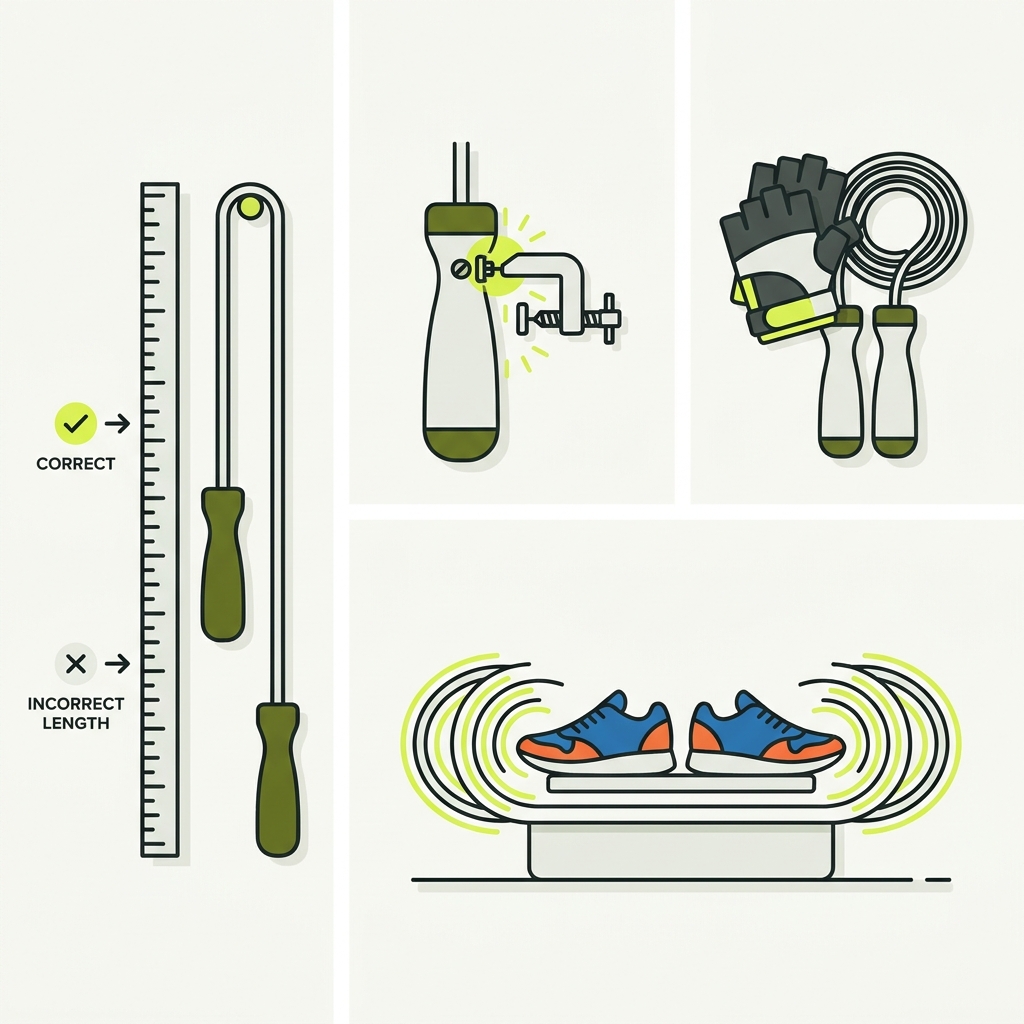
For beginners, a simple starting guideline is a rope about 3 feet taller than you, or use the quick check: stand on the rope’s midpoint and pull the cable taut; the end of the rope (excluding handles) should reach around your sternum to armpits (Nike). This gives clearance and makes it easier to find rhythm.
Going shorter for speed
As skill improves, many jumpers prefer a slightly shorter rope that rotates faster and supports compact hand and body positions. Shorter setups are less forgiving, so adjust gradually and test before trimming permanently (Nike) (Crossrope). Use the manufacturer’s adjustment hardware where available, and test a reversible setting before cutting. Do not tie knots in a steel cable or modify the cable against its instructions (Swissskip).
Hand position still matters
Your length choice works best with consistent mechanics: keep hands in front of the hips rather than flared wide to maintain an efficient path and reliable ground contact of the rope (Nike).
A quick worked example
Example: You’re 5 ft 8 in (173 cm). A beginner-friendly starting length is roughly your height plus 3 ft, so about 8 ft 8 in. Check it: stand on the midpoint, pull the rope up; the cable end should reach near the sternum to armpits. Practice until your cadence is steady. If your goal shifts to fast sets or double-unders with a speed rope, shorten in small, testable steps using its approved adjustment hardware; trim only after you confirm the feel over multiple sets (Nike) (Swissskip).
Choosing between a speed rope and a general jump rope
Pick by primary goal
- Speed/double-unders and compact wrist-driven turns: choose a cable speed rope with smooth bearings (EQYP).
- Learning rhythm or general conditioning: consider a PVC or beaded rope with useful feedback. Extra weight is optional rather than a requirement; choose a manageable design and a suitable surface (Nike).
For a full step-by-step sizing walkthrough, see our explainer: How to find the right jump rope length.
Care and surface tips
- Protect coated cables by jumping on smooth wood, rubber, or other even surfaces when possible (EQYP).
- If you must use concrete, Nike suggests a steel cable wrapped in vinyl rather than plain plastic for better durability outdoors (Nike).
- Use the maker’s approved handle adjustment first; do not knot wire cables, and trim only after confirming the fit (Swissskip).
If you program jump-rope intervals for cardio, the talk test is a simple way to gauge intensity on the fly: What is the talk test in fitness?
Quick checklist to choose your rope and length
Short FAQ
Does cable thickness affect speed?
Yes. Thinner cables tend to rotate faster; thicker cables trade some speed for durability (Nike).
Can I learn double-unders with a general jump rope?
You can build timing on a longer or weighted setup, then shorten the rope and transition to a faster cable as your mechanics improve (Nike) (Crossrope).

Optional equipment for this guide
A beaded rope is one option within the comparison. Choose for your current skill and space rather than assuming a faster cable is always better.
As an Amazon Associate I earn from qualifying purchases. These are researched options, not hands-on test results. Check the exact size or model, current price and availability on Amazon.
| Product option | Fit and limits to check | Retailer |
|---|---|---|
| Product imageElite Jumps adjustable 1-inch beaded rope, Black | An adjustable beaded rope for rhythm and general jumping. It is not a thin wire speed rope; compare the technique you want to practise, sizing and training surface. | View on Amazon |