The journal
What is a deload week in powerlifting?
A deload week in powerlifting is a short, planned week of lighter training that reduces intensity and/or volume while you keep practicing the squat, bench and deadlift. Here’s a clear definition, simple setup options, a worked example, and when to use one.
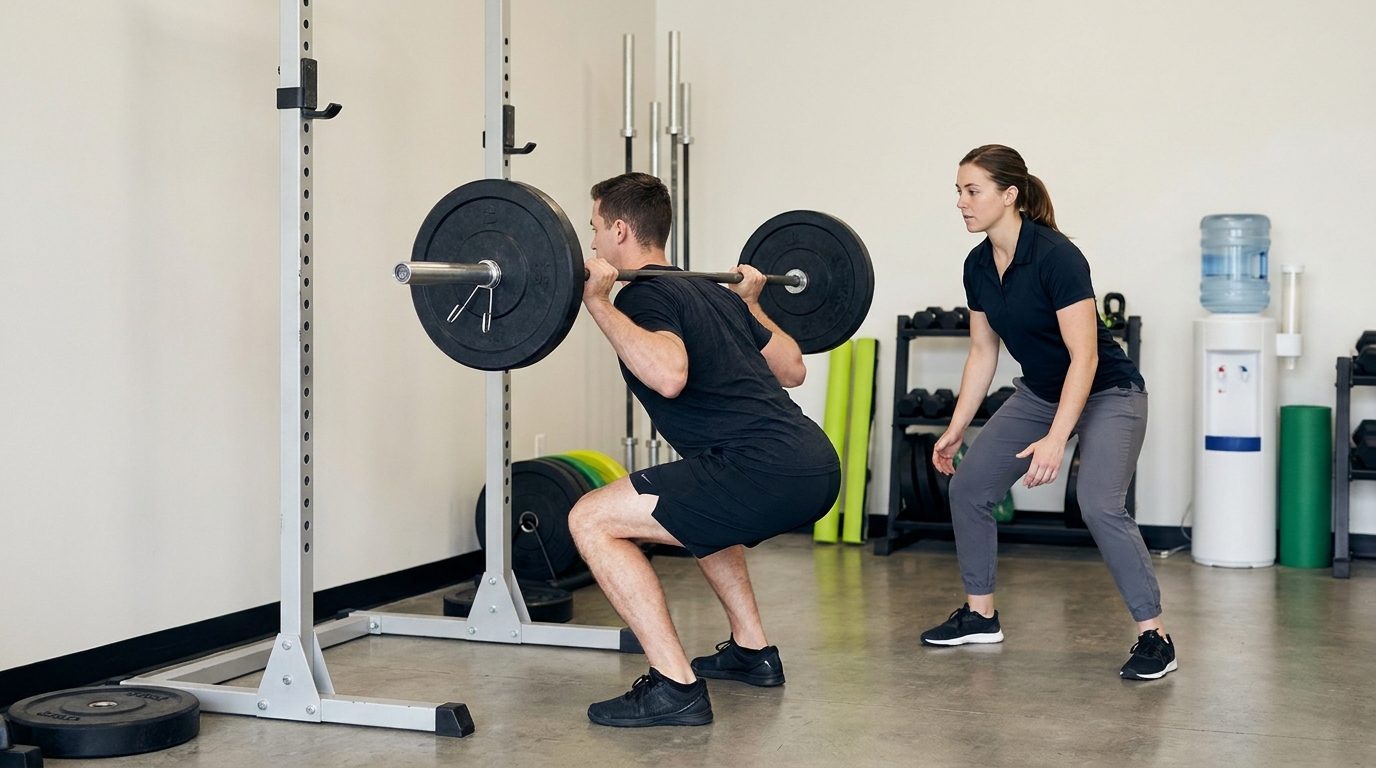
A deload week in powerlifting is a planned short period of lighter training where you reduce intensity and/or volume but keep practicing the main lifts. The goal is to lower accumulated training stress without losing the barbell skill you’ve built on squat, bench and deadlift EliteFTS: How to Deload.
What changes in a powerlifting deload
- Load and/or total work come down so sessions feel easy and crisp.
- You can keep familiar main lifts as easy technique practice, while adapting the plan to your needs EliteFTS.
- Highly taxing lift variations are limited or removed to reduce joint and systemic stress EliteFTS.
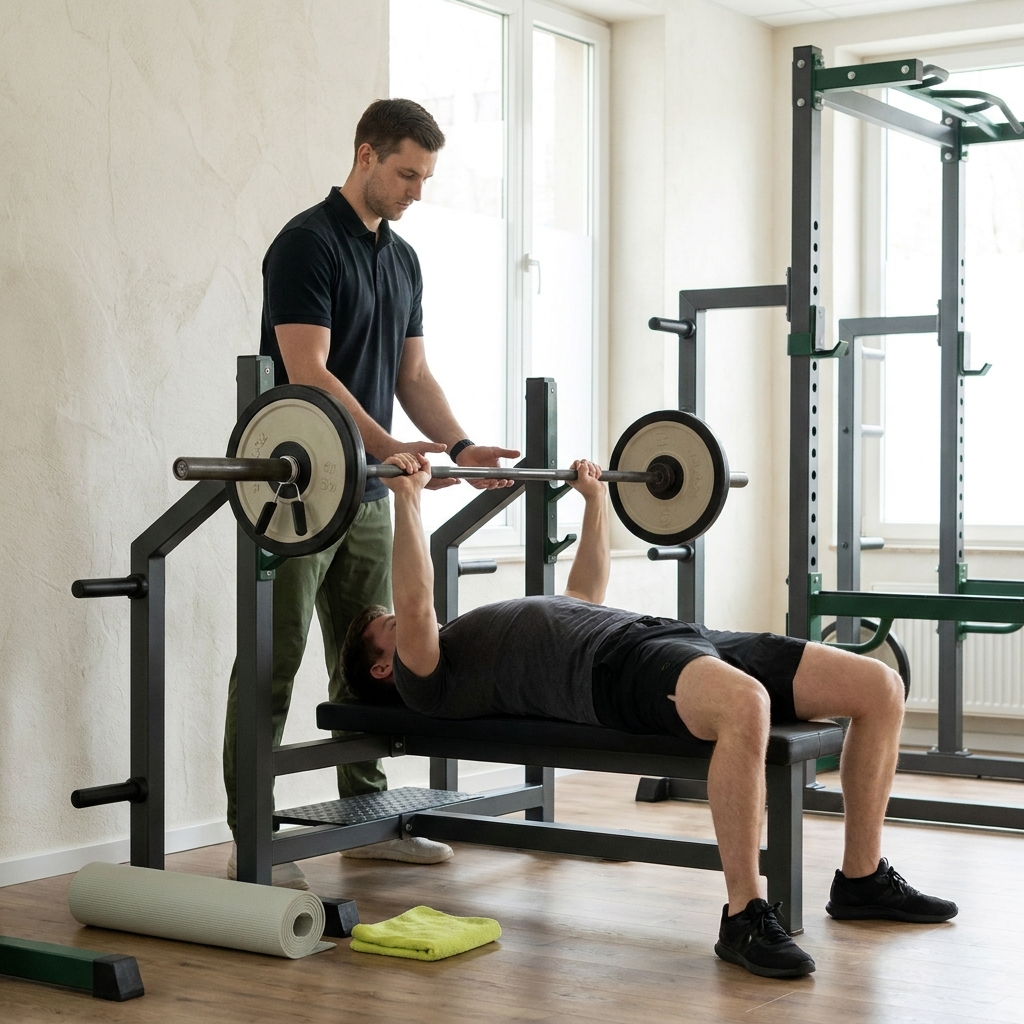
Two simple ways to structure a one-week deload
- Reduce intensity: lift around 50-60% of your usual load while keeping sets/reps modest and avoiding failure Healthspan Elite: What is a Deload Week?.
- Reduce both intensity and volume: take last week’s sessions and cut the weights and total sets by roughly 60% as an easy, clear rule of thumb EliteFTS.
Worked example (using last week’s numbers)
Suppose last week your squat top work was 4 sets of 3 at 160 kg around RPE 8. For a deload using the EliteFTS approach:
- Load: reduce intensity by ~60% of last week’s load, so lift about 40% of 160 kg ≈ 64 kg.
- Volume: reduce sets by ~60% (4 sets → 1-2 easy sets).
- Result: Squat 1-2 sets of 3-5 reps at ~64 kg, moving smoothly at RPE 5-6. Keep technique crisp; stop well before fatigue EliteFTS.
Accessories and frequency during a deload
- Accessories: reduce or omit demanding work as appropriate, rather than automatically keeping every exercise and halving it.
- Frequency: some plans retain the usual training days with easier sessions; others reduce attendance. Choose a structure that actually reduces the overall demand EliteFTS.
When to schedule a deload
A deload may be planned into a training block or discussed when the usual work becomes difficult to recover from. There is no compulsory four-, six- or eight-week schedule. Persistent fatigue, disrupted sleep or falling performance can have causes beyond the programme; a deload is not a diagnostic test.
A competition taper aims at readiness for a particular event; a deload reduces stress to prepare for subsequent training. If you are in meet preparation, follow your coach’s plan rather than substituting a generic lighter week. If unusual pain or illness is present, consider full rest and seek qualified advice as needed.
Common mistakes to avoid
- Keeping it too hard: a deload should feel easy. If sets feel like normal work, you haven’t lowered stress enough EliteFTS.
- Swapping in overly taxing variations: deloads aren’t the week to add heavy deficits, pin presses, or similar. Stick to your usual movements and make them easy EliteFTS.
- Turning the lighter week into an unplanned test: keep its purpose clear rather than adding maximal attempts or unfamiliar demanding exercises.
Run a one-week powerlifting deload: quick checklist
Related reading on Rep & Range
- Is RIR better than RPE? A broader look at two intensity tools you can use during a deload.
- Sleep in a training week Simple notes to log when a tough week affects recovery.
FAQ
Is a deload the same as taking a week off?
No. A deload keeps you practicing the main lifts while making training easy; a week off is complete rest. Deloads reduce stress without losing barbell groove EliteFTS.
How long does a deload last?
Commonly one week for strength programs, then you resume normal training if you feel ready Healthspan Elite.
Will I lose strength?
The aim is to reduce fatigue while retaining useful practice. It does not guarantee a strength increase; review your return to normal training against how you actually respond EliteFTS.

A useful next step
When reviewing training recovery, consider sleep timing alongside your training log without treating either guide as a diagnosis. Exercise and sleep: does the time of day matter?.